How to Increase Humidity for Plants (Without Misting)
If your calathea's edges keep going crispy, or your fern looks fine in summer and sad in January, it's probably the air. A lot of tropical houseplants like more humidity than a typical house has, especially once the heat comes on.
The good news is you don't have to mist every day. Misting does very little. Here's how to increase humidity for plants in ways that actually work.
The short version
Run a small humidifier near your plants, group them together, or set them on a pebble tray. Keep them away from heating vents. Skip the misting.
Why misting doesn't really work
Misting raises the humidity around a leaf for a few minutes, and then it's gone. Wet leaves that sit in still air can also invite fungus and leaf spots.
So if you love misting, it won't hurt much. But don't count on it to fix crispy leaves.
Which plants care the most
Not every plant needs this. Snake plants, ZZ plants and succulents are fine in dry air. The plants that care most are the ones from humid forest floors:
- Ferns - especially small ones like the heart fern.
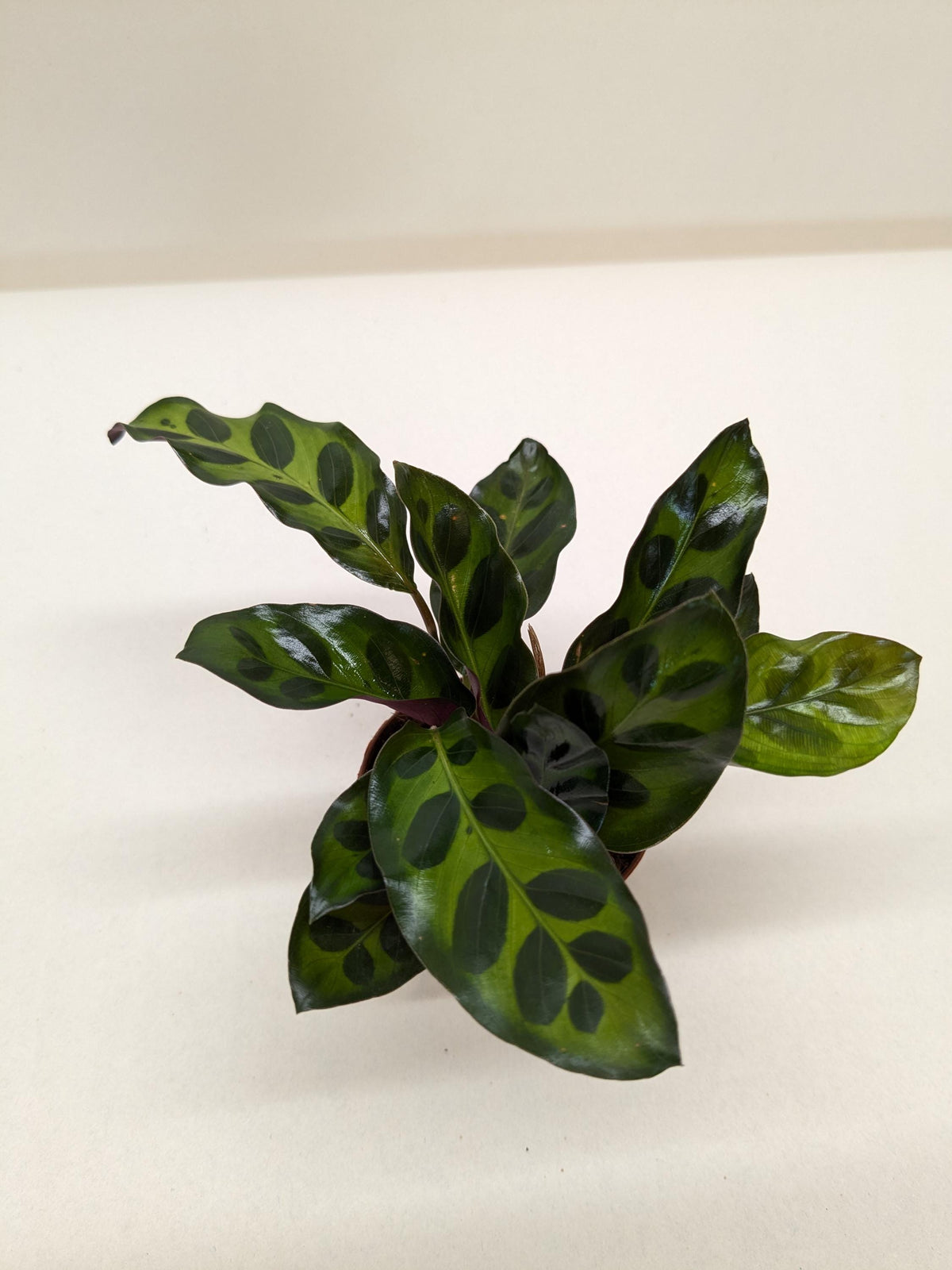
- Calatheas and marantas - the classic crispy-edge plants.
- Alocasias, plus some anthuriums and begonias.
If you have one of these and the tips or edges are browning, humidity is one of the first things to look at.
Option 1: A humidifier
This is the most reliable way to raise humidity. Put it close to the plants that need it most and let it run.
You don't need a big one for a few plants on a shelf or desk. Our 300ml USB Humidifier is a small one for exactly that. Keep it clean and refill it with fresh water.
Keep the mist from soaking the leaves or the furniture. Point it into the air near the plants, not right at them.
Option 2: Group your plants
Plants release moisture through their leaves. When you put several together, they raise the humidity a little for each other. It's free, and it looks good too.
Option 3: A pebble tray
- Get a shallow tray or saucer.
- Fill it with pebbles or gravel.
- Add water until it's just below the top of the pebbles.
- Set the pot on the pebbles. The bottom of the pot should sit above the water, not in it.
As the water evaporates, it adds a little humidity right around the plant. Refill it as it dries. It's a small boost, not a big one, but it helps.
Option 4: Pick the right room
A bathroom with a window is often the most humid room in the house. Kitchens can be good too. Small humidity lovers, like a heart fern, also do well in a terrarium or under a glass cloche.
Option 5: Watch the heater
Winter heat is the big humidity killer. Keep humidity-loving plants away from heating vents, radiators and space heaters. Cold drafts from windows and doors are hard on them too. Our winter fern care post goes into getting ferns through heater season.
How do you know if it's working?
A cheap hygrometer will tell you the humidity in a room. But your plants will tell you too:
- New leaves coming in without crispy edges.
- Fewer brown tips.
- Leaves on calatheas and marantas unrolling all the way.
Don't forget the basics
Humidity isn't the only reason for crispy leaves. Letting the soil dry out too far causes it too. So does hard tap water on sensitive plants like calatheas. Use filtered or distilled water for those if your tips keep browning. Our post on brown leaf tips covers all the causes.
Dry air also brings spider mites. Check the undersides of the leaves now and then.
Plants that will thank you
If you're setting up a humid corner, our Calathea collection and Fern collection are the plants that get the most out of it. A couple we like:
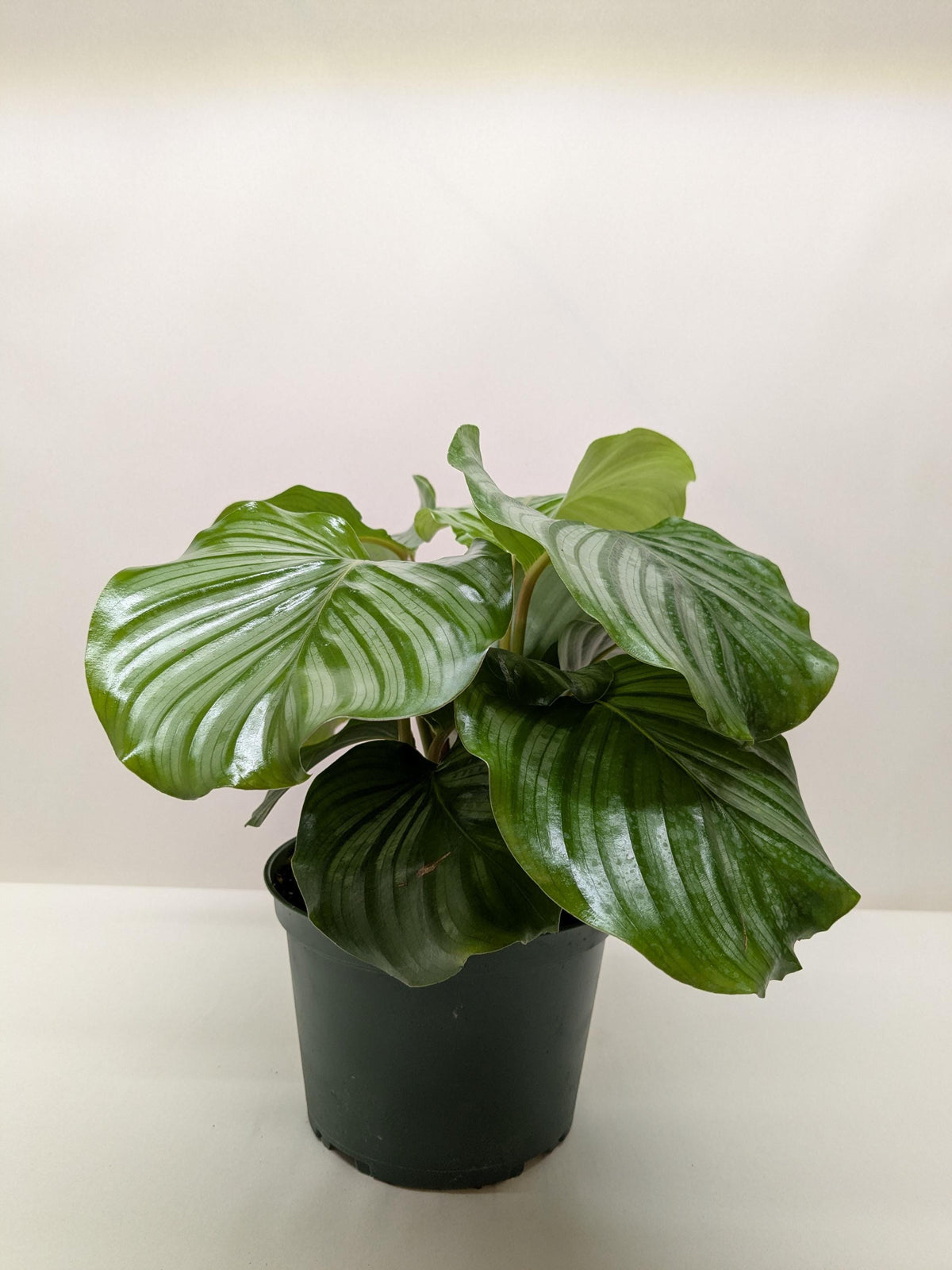
- Calathea 'Orbifolia' - big, round leaves with silver stripes. A bit dramatic, worth the effort. More in our calathea care guide.
- Fern 'Heart' - a small fern with glossy heart-shaped leaves. Great in a terrarium. See our heart fern care guide.
For humidity needs plant by plant, check out our Plant Care Guide.
The takeaway
Skip the spray bottle. A small humidifier, a few plants grouped together, and keeping them away from the heater does a lot more. Want to start with the easy one? Shop the USB Humidifier. Let us know if you have any questions!
Happy growing,
Alex
Chief Leaf Officer, Austin Jungle Co.