Fungus Gnats in Houseplants: How to Get Rid of Them for Good
Little black flies hovering around your plants and walking on the soil? Those are almost always fungus gnats. They're annoying, but the good news is they're mostly a soil problem, not a plant problem. Fix the soil and the gnats go away.
Here's how to get rid of fungus gnats in houseplants, and keep them gone.
The short version
Let the top of the soil dry out, trap the adults with yellow sticky traps, and treat the larvae in the soil. Keep it up for a few weeks so you catch every round of eggs.
What fungus gnats are
Fungus gnats are tiny, dark flies, smaller than a fruit fly. The adults are mostly a nuisance. They lay eggs in the top layer of moist soil, and the larvae live there feeding on fungus and decaying material.
In big numbers, the larvae can also chew on fine roots, which matters most for seedlings and young cuttings.
The main cause is simple: soil that stays wet. Overwatering, a pot with no drainage hole, a saucer full of water or a heavy mix that never dries out.
How to tell it's fungus gnats
- Small black flies near the soil or flying up when you water.
- They're slow, clumsy flyers.
- You see them more on plants that stay damp.
- If you look closely at the top of wet soil, you might see tiny clear-white larvae with dark heads.
Fruit flies hang around the kitchen and fruit bowl. Fungus gnats hang around your plants.
Step 1: Let the soil dry out
This is the most important step. Gnat eggs and larvae need moist soil.
- Let the top 1-2 inches of soil dry out before you water again, for plants that can handle it.
- Empty saucers and cache pots after watering. No standing water.
- Make sure every pot has a drainage hole.
Not sure if you're overwatering? Read our overwatered vs underwatered guide and our watering guide.
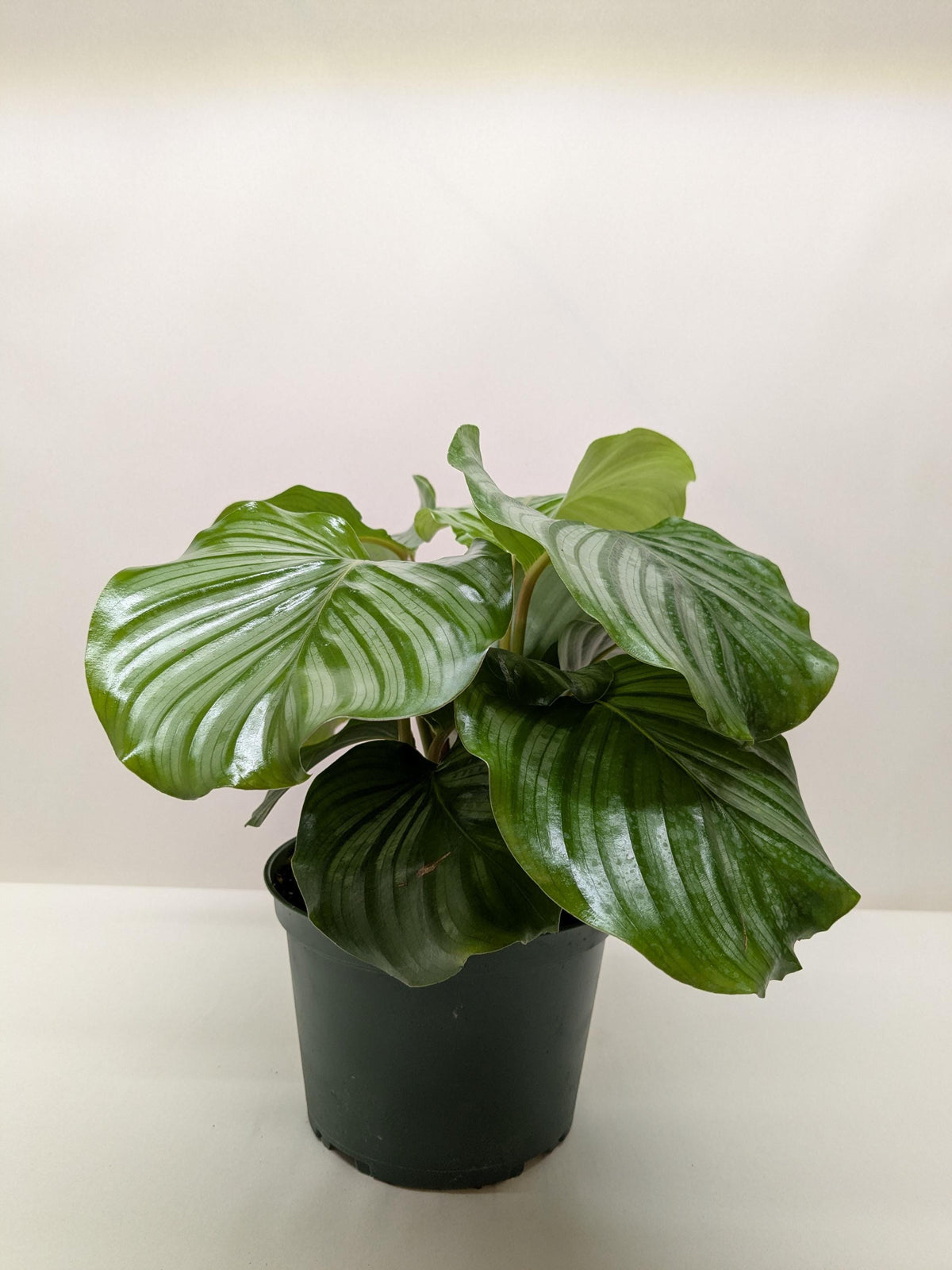
Heads up: ferns and calatheas don't like to dry out much. For those, go lighter on the watering and lean more on steps 2 and 3.
Step 2: Trap the adults
Yellow sticky traps work well. Stick them in the soil or hang them just above it. The adults fly into them, which cuts down on how many new eggs get laid.
They won't fix the problem alone, since the larvae are still in the soil. But they're a cheap way to see how bad it is and whether it's getting better.
Step 3: Treat the larvae
A few common options:
- BTI (Bacillus thuringiensis israelensis). It's sold as mosquito dunks or bits. Soak them in your watering water and use that water on the plants. It targets the larvae.
- Bottom watering. Set the pot in a tray of water and let it soak up from below. The top layer stays drier, which gnats don't like.
- Top layer swap. Scrape off the top inch of soil and replace it with fresh mix, or a layer of sand or fine gravel.
- Neem oil or insecticidal soap. Useful for many houseplant pests. Follow the label.
Start gentle. A lot of indoor plants don't like harsh chemicals.
Step 4: Keep going for a few weeks
Gnats have a short life cycle, so new adults keep popping up from eggs already in the soil. Keep the soil drier, keep traps up and keep treating for about 3-4 weeks. If the traps stop catching anything new, you're probably in the clear.
How to keep them from coming back
- Water less often. It's the number one fix.
- Use a well-draining mix. Add perlite or orchid bark if your mix stays heavy and wet.
- Store bags of potting mix sealed. Open bags can bring gnats in. A new bag of damp mix is a common source after repotting. More in our repotting guide.
- Check new plants before you put them next to your others.
- Clean up dead leaves sitting on top of the soil.
Plants less likely to get them
Plants that like to dry out between waterings are less likely to have gnat problems, simply because the soil isn't wet for long. Think snake plants, succulents and peperomias.
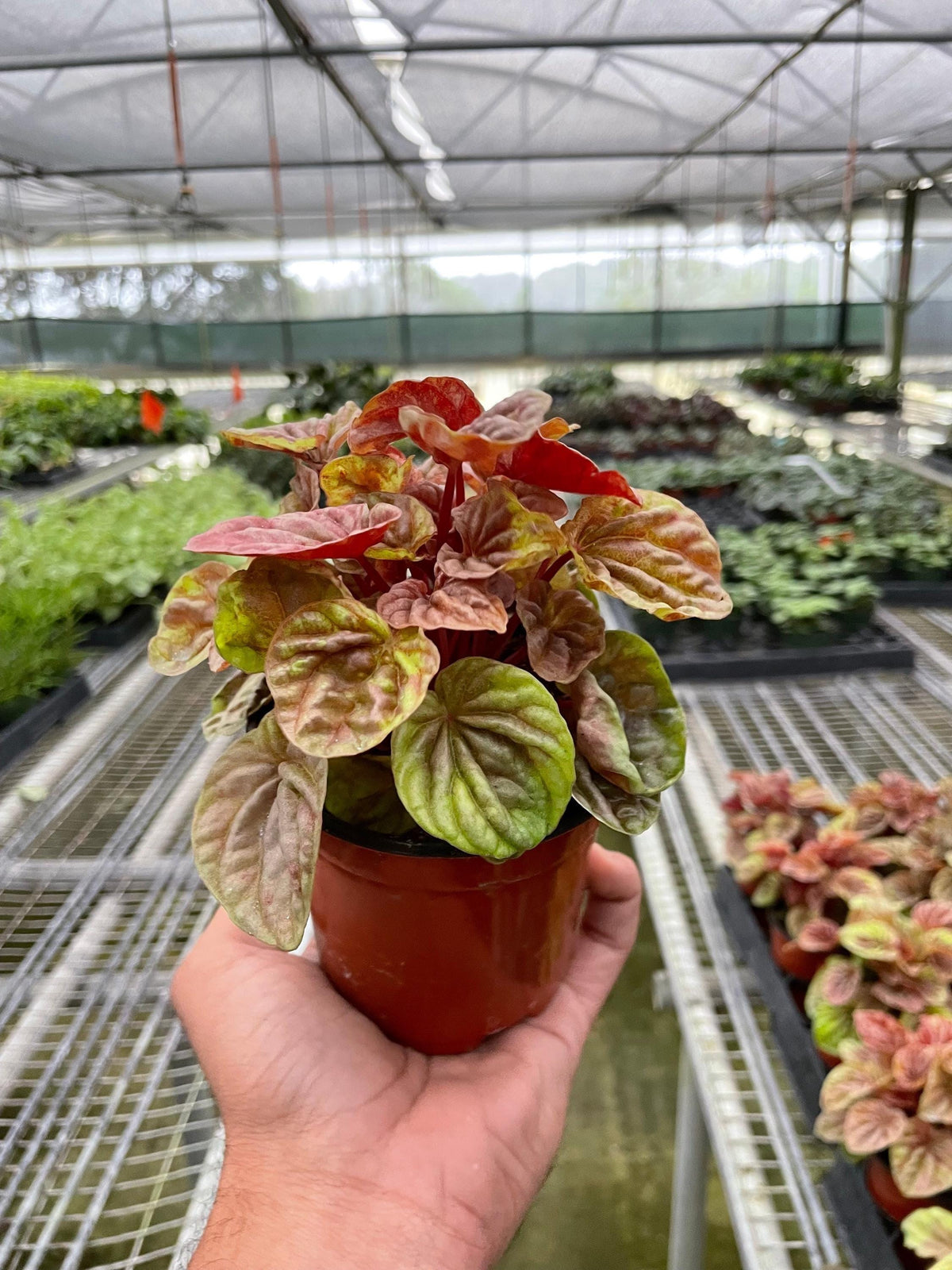
Peperomias can still get gnats if they're kept too wet. Our peperomia watering post explains how to water them right.
Shop plants that like it dry
If you tend to overwater, try a plant that wants to dry out. The Snake Plant 'Laurentii', a Peperomia 'Quito', or anything in our Succulents collection would be good picks. For more forgiving plants, browse our Hard to Kill Plants collection. And for watering tips on every plant, check out our Plant Care Guide. Let us know if you have any questions!
Happy growing,
Alex
Chief Leaf Officer, Austin Jungle Co.