Overwatered vs Underwatered Plant: How to Tell the Difference
Here's the frustrating part about watering problems: too much and too little can look almost the same. Both can cause yellow leaves. Both can make a plant droop. So people see a droopy plant, assume it's thirsty, and water it more. Which is exactly the wrong move if it was already too wet.
Here's how to tell which one you're dealing with.
The short version
Feel the soil first. If the plant is drooping and the soil is wet, it's overwatered. If it's drooping and the soil is bone dry, it's underwatered. Most of the time, that one check answers the question.
Signs of an overwatered plant
- Soil stays wet for days after watering.
- Leaves are yellow and soft or limp, often several at once, sometimes starting low on the plant.
- Drooping even though the soil is wet. The roots are damaged and can't move water up.
- Mushy stems, especially at the base.
- A sour or rotten smell from the soil.
- Fungus gnats, the tiny flies that hang around damp soil.
- Brown spots with a yellow ring on some plants.
Signs of an underwatered plant
- Soil is bone dry and may pull away from the sides of the pot.
- The pot feels light when you pick it up.
- Leaves are crispy, with brown, dry edges or tips.
- Drooping or curling that perks back up within a day of watering.
- Wrinkled or shriveled leaves on plants that store water, like peperomia or succulents.
- Lower leaves dropping as the plant tries to save water.
Check the roots if you're still not sure
Slide the plant out of its pot.
- Healthy roots are firm and usually white or light colored.
- Rotten roots are brown or black, mushy, and can smell bad. That's overwatering.
- Dry, brittle roots in a dry, shrunken root ball point to underwatering.
How to fix an overwatered plant
- Stop watering. Let the soil dry out more than you normally would.
- Check the drainage. Make sure there's a hole and the pot isn't sitting in water.
- If the stems are mushy or the roots smell, repot. Cut off the soft, dark roots with clean scissors and repot in fresh, dry, well-draining mix.
- Trim off leaves that are mostly yellow. They won't turn green again.
- Hold off on fertilizer until it's growing again.
Plants that store water, like a Snake Plant Laurentii or anything in our Succulents collection, are the easiest to overwater. Our snake plant care guide and ZZ plant care guide go into why.
How to fix an underwatered plant
- Water thoroughly, until it runs out the bottom.
- If the water runs straight through, the soil may be too dry to soak it up. Set the pot in a tray of water for a bit so it soaks from the bottom, then let it drain.
- Trim crispy, dead leaves. Brown tips won't turn green again, but new growth will be fine.
- Check sooner next time. Plants in bright light, small pots or near a heater dry out faster.
How to stop it happening again
The fix for both is the same: check the soil before you water instead of going by the calendar. We break down which plants want what in how often to water houseplants.
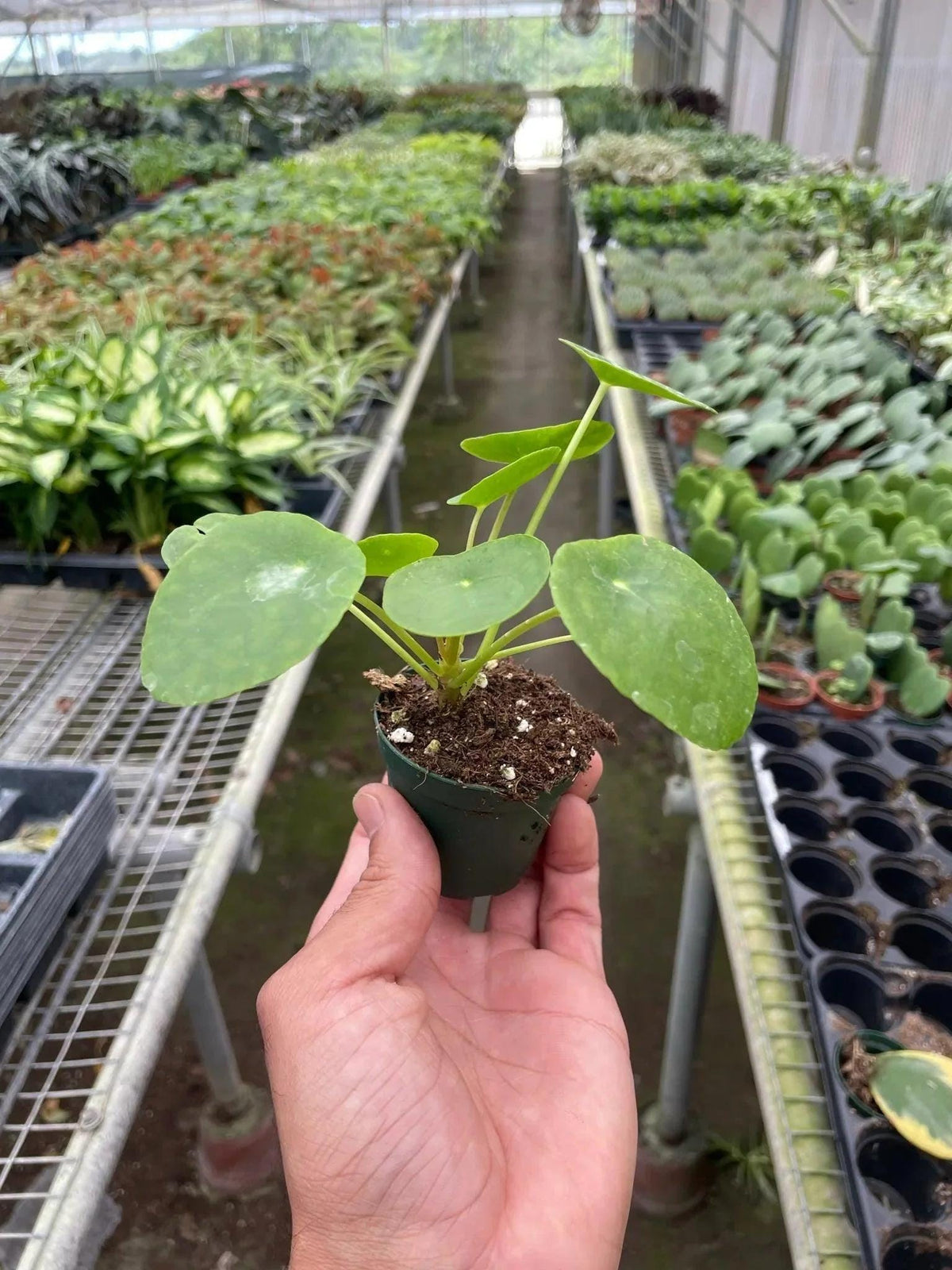
A pot with a drainage hole and a well-draining mix make overwatering a lot harder to do. And if you want something forgiving to practice on, a Pilea 'Chinese Money' droops a little when it's thirsty, which is a helpful hint. You can also browse our Hard to Kill Plants collection.
The takeaway
Wet soil and droopy means too much water. Dry soil and droopy means too little. Check before you water, and you'll avoid most of these problems. For care by plant, see our Plant Care Guide. Let us know if you have any questions!
Keep reading
Happy growing,
Alex
Chief Leaf Officer, Austin Jungle Co.