Article: Snake Plant Care: How Not to Love It to Death
Snake Plant Care: How Not to Love It to Death
Snake plants are about as close to set-it-and-forget-it as houseplants get. They're perfect for beginners and self-described "black thumbs."
The catch is the "forget it" part. The most common way to kill a snake plant isn't neglect. It's watering it too often. Overwatering is their #1 enemy.
The short version
Let the soil dry out completely before you water, and cut back even more in winter. Give it more light than you think it needs. That's most of it.
A few snake plants we love
- Snake Plant Laurentii - the classic. Tall, upright leaves edged in golden yellow.
- Snake Plant 'Zeylanica' - sword-like leaves patterned in silvery green.
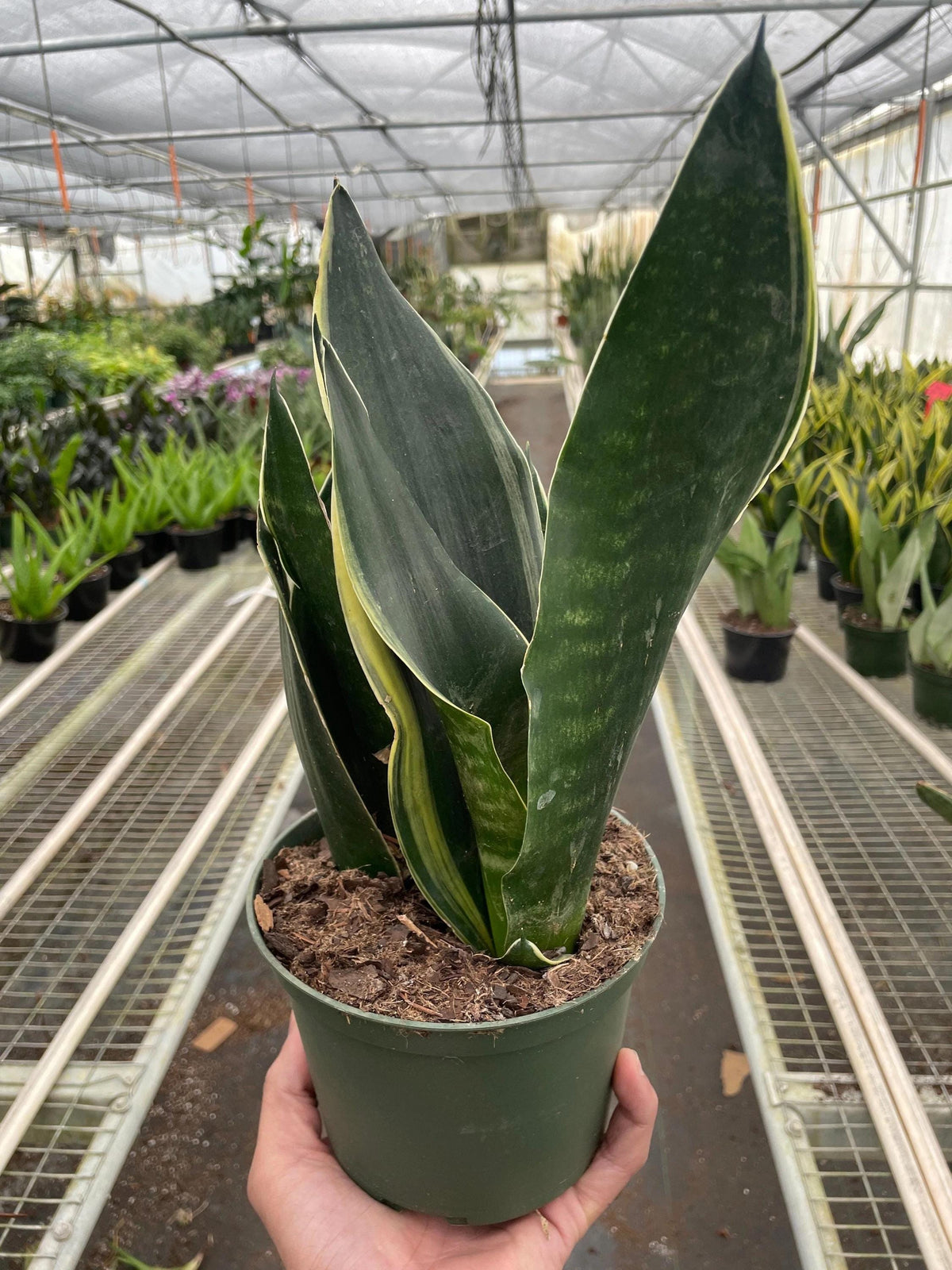
- Snake 'Fabi' - deep green to nearly black leaves with creamy yellow-green edges. A darker, moodier look.
- Snake 'Bantel's Sensation' - slender leaves with vertical white stripes.
They're upright, architectural, and slow-growing. Some stay short and compact, and others can get impressively tall.
Light
Snake plants are incredibly adaptable. They thrive in bright, indirect light, but they can handle low light like champs.
Just know: more light = faster growth and better color.
The common myth is that snake plants don't need light. Not quite. They survive in low light. They thrive and grow better in brighter conditions. If yours lives in a dim corner and barely grows, that's likely part of it.
Water
This is the whole game.
- Let the soil dry out completely before watering. Not just the top. All of it.
- Water thoroughly, then let it drain. Dump any water left in the saucer.
- In winter, cut back even more.
Snake plants store water in their thick, sword-like leaves, which makes them very drought-tolerant. Missing a watering is no big deal. Watering on a schedule "just in case" is how they get into trouble.
Not sure if it's dry? Pick up the pot. A dry pot feels noticeably lighter than a freshly watered one. When in doubt, wait a few more days. Less is more with watering.
Soil and pots
Use a cactus or succulent mix, or a well-draining potting soil with added sand or perlite. Snake plants hate sitting in soggy soil, so a pot with a drainage hole is a must.
Indoors or outdoors
Snake plants are best as indoor plants. They can spend the summer outdoors in USDA Zones 9-12, but protect them from frost and heavy rain. Too much rain is just overwatering you can't control.
Propagation
Snake plants are easy to multiply:
- Division is faster and stays true to the parent plant. Divide clumps when you repot.
- Leaf cuttings root in soil or water, but variegated types may revert to green. So a leaf cutting from a 'Laurentii' might not keep its yellow edges.
A little extra care
If you want to go the extra mile, wipe the leaves every few weeks to keep them dust-free. That's about all the fuss a snake plant needs.
Hold off on fertilizer for the first month after a new plant arrives, and after that only feed in spring and summer. Potting mix doesn't feed a plant forever.
Common issues
- Mushy base → overwatering or root rot. Stop watering, let it dry out, and check the roots.
- Wrinkling or bending leaves → usually underwatering. Yes, it's possible, even with a snake plant.
- Slow or no growth → not enough light.
- Pests → rarely an issue, but mealybugs or spider mites can pop up. Check occasionally and treat early if needed.
- Yellow leaves on a plant that just arrived → shipping is stressful. A little yellowing is normal while it settles in.
If you just got a snake plant in the mail, leave it in its grower pot for at least 2-4 weeks before repotting, and give it bright, indirect light while it adjusts.
Are snake plants safe for pets?
Snake plants are mildly toxic to pets, so keep them out of nibbling reach. A plant stand or a spot your pets don't hang out in works well.
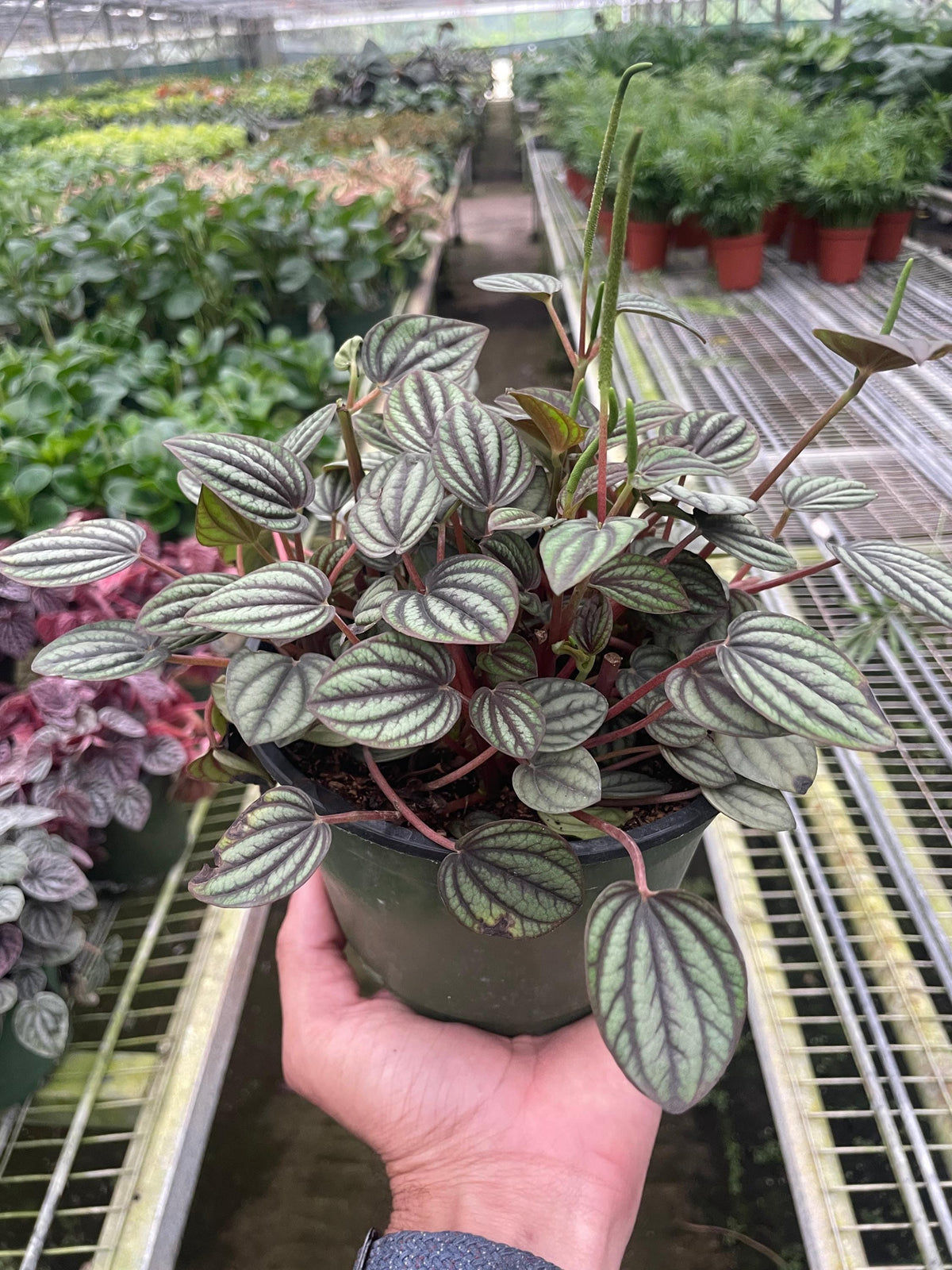
If you need something pet-friendly, the ASPCA lists Watermelon Peperomia and Ripple Peperomia (Peperomia caperata) as non-toxic to dogs and cats. You can find those in the Peperomia collection.
Where to go from here
See every snake plant we have in stock in the Sansevieria collection. For care on everything else, our Plant Care Guide covers every plant family we sell.
The takeaway
Snake plants are the ultimate no-fuss plant. Whether you're a newbie or a collector, they earn their keep. Give it light, let it dry out, and mostly leave it alone. Let us know if you have any questions!
Happy growing,
Alex
Chief Leaf Officer, Austin Jungle Co.