Leggy Houseplant? Why It Happens and How to Fix It
You bought a full, bushy plant. A few months later it's a couple of long, skinny stems with leaves way out at the ends and bare vine in between. That's a leggy houseplant, and it's one of the most common plant questions we get.
The good news: it's easy to fix, and you usually get free plants out of it.
The short version
Leggy growth almost always means the plant wants more light. Move it somewhere brighter, then cut the long stems back. Root the cuttings and put them back in the same pot for a fuller look.
Why plants get leggy
1. Not enough light. This is the big one. In a dim spot, the plant stretches toward the window, putting energy into length instead of leaves. You'll see more bare stem between each leaf.
2. Normal vining growth. Some plants, like pothos and philodendron, naturally grow long vines. Without a trim now and then, they end up long and thin at the top.
3. Age. Older stems drop their lower leaves over time, especially if the plant has been stressed.
4. Not enough nutrients. In spring and summer, a plant that's never been fed can grow thin and pale.
Step 1: Fix the light
Pruning without fixing the light just means the new growth gets leggy too.
- Move it closer to a window with bright, indirect light.
- Avoid harsh direct sun, which can scorch most tropical houseplants.
- Turn the pot every few weeks so it doesn't lean one way.
- In a dark room or in winter, a basic grow light helps a lot.
Short on light? Our best low light plants guide lists plants that handle it better.
Step 2: Prune it
Pruning tells the plant to branch out instead of just getting longer.
- Use clean, sharp scissors.
- Cut just above a node, the little bump on the stem where a leaf and root grow from. New growth usually comes from there.
- You can cut a long stem back by a lot. It'll push new growth.
- Spring and summer are the best time, when the plant is growing.
Step 3: Propagate the cuttings
Don't toss what you cut off. Each piece with a node can become a new plant.
- Cut the stem into pieces with at least one node and one leaf.
- Remove any leaves that would sit underwater.
- Put the nodes in water, keeping the leaves above the surface.
- Keep it in bright, indirect light and change the water every 3-5 days.
- Wait for 2-3 inches of roots, then plant them.
Step 4: Put them back in the pot
This is the trick for a fuller plant. Plant the rooted cuttings back into the same pot, around the base of the mother plant. Now you have more stems coming from the soil instead of one long vine.
Our pothos post walks through this in more detail.
Train it to climb
Pothos and climbing philodendrons often grow bigger, fuller leaves when they climb a moss pole instead of trailing. If you like the trailing look, just keep up with trims.
A note on hoyas
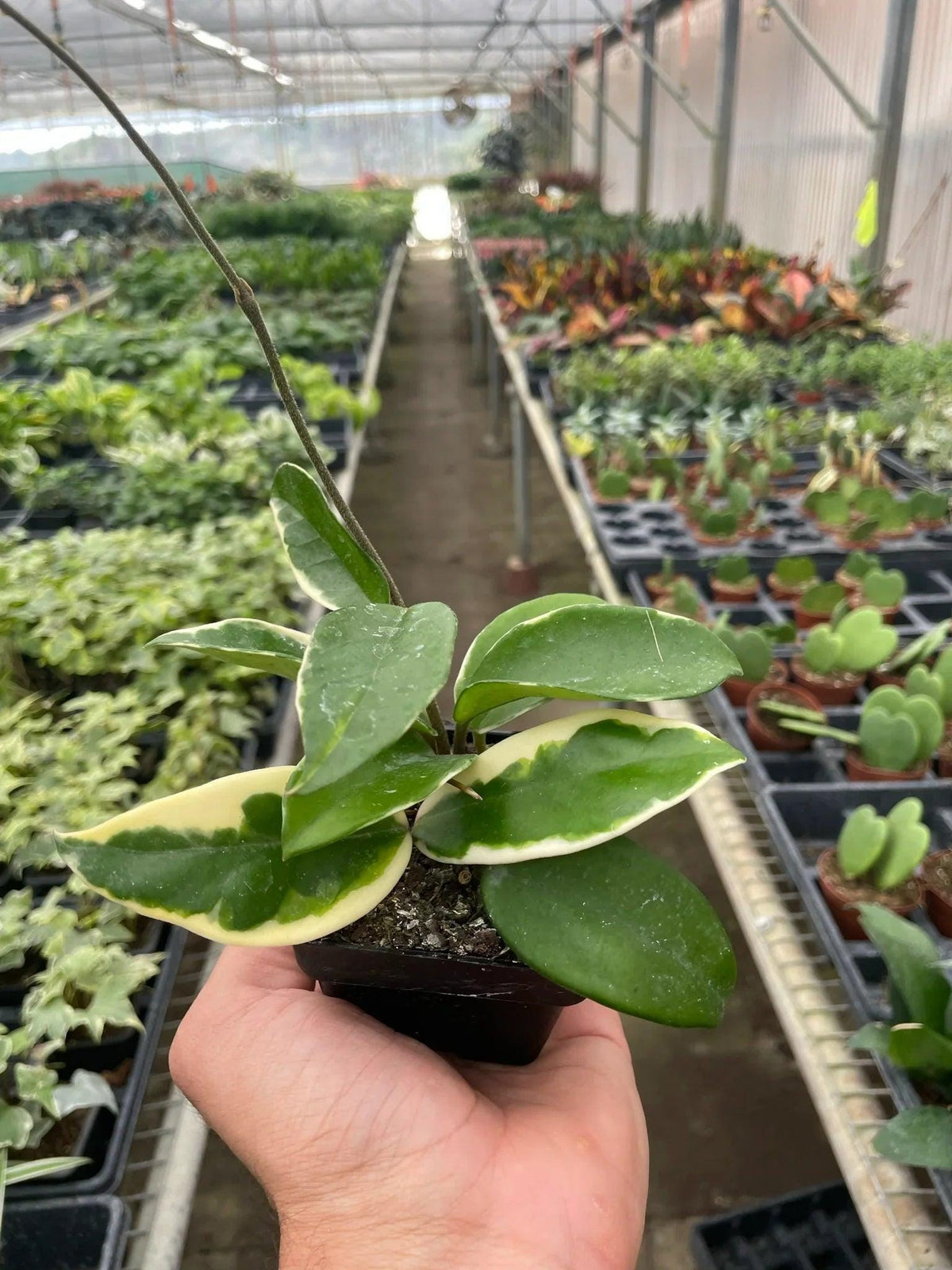
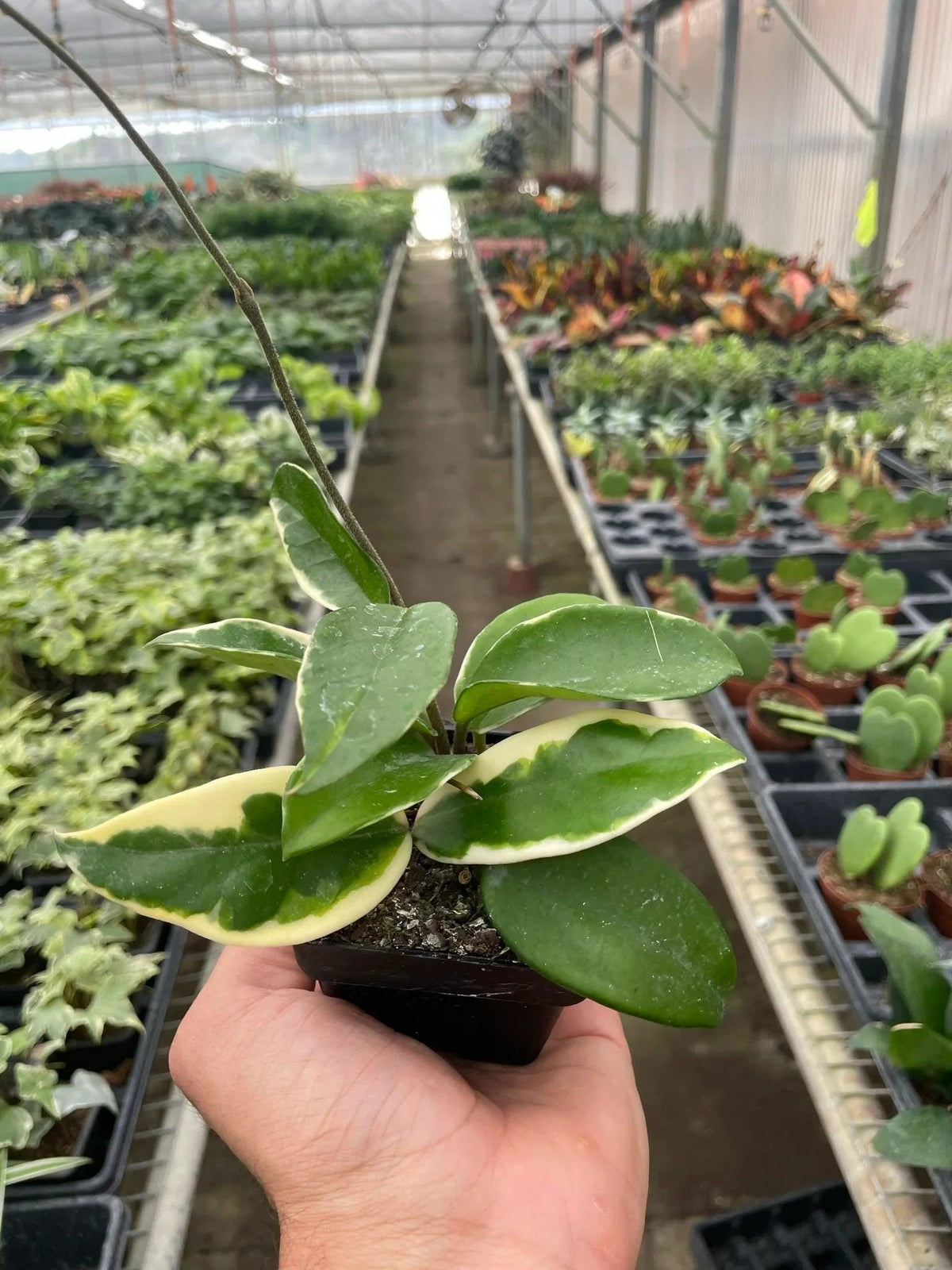
Hoyas are the exception. They push out long, bare-looking vines on purpose, searching for something to grab on to. Don't cut those long tendrils. They'll leaf out or flower later. Hoyas also bloom from the same spurs year after year, so leave those alone too.
If your hoya just looks thin overall, give it more light. More in our Hoya care guide.
Plants that get leggy the most
- Pothos - very common, especially in low light.
- Philodendron (vining types).
- Syngonium - starts bushy, then vines as it matures.
- Begonia - leggy when it's reaching for light.
- Succulents - stretch and get pale without enough sun.
Common mistakes
- Cutting without moving the plant. The new growth will stretch again.
- Cutting between nodes. You'll get a bare stub with nothing to grow from.
- Expecting new leaves on old bare stems. Bare sections usually won't leaf out again, so cut them back.
Shop easy vines
A Pothos 'Golden' or Pothos 'Marble Queen' is a great place to practice pruning and propagating. If you want a vine that flowers, try the Hoya Carnosa 'Tricolor'. Or browse our full Pothos collection. For care by plant type, check out our Plant Care Guide. Let us know if you have any questions!
Happy growing,
Alex
Chief Leaf Officer, Austin Jungle Co.